
About · Nashville, TN
Hospitality law, handled before it becomes a problem.
We keep your liquor license in good standing so you can keep the drinks flowing and your business growing, without worrying about violations, legal actions, or regulatory issues.
Built the other way around.
We help your hospitality business run smoothly, legally, and confidently, so you can focus on serving guests while we handle the legal side.
Ahead of the problem
Ongoing support that catches issues while they’re still small, so a missed renewal or a stray contract never becomes the thing that closes your doors.
One predictable fee
Everyday legal questions, licensing, and renewals, all covered for one flat monthly fee you can actually plan around.
Beyond the license
From vendor and event contracts to incident reports and the day-to-day questions of running the business, we cover far more than licensing.
The firm behind BLG
The full weight of the firm, behind every client.
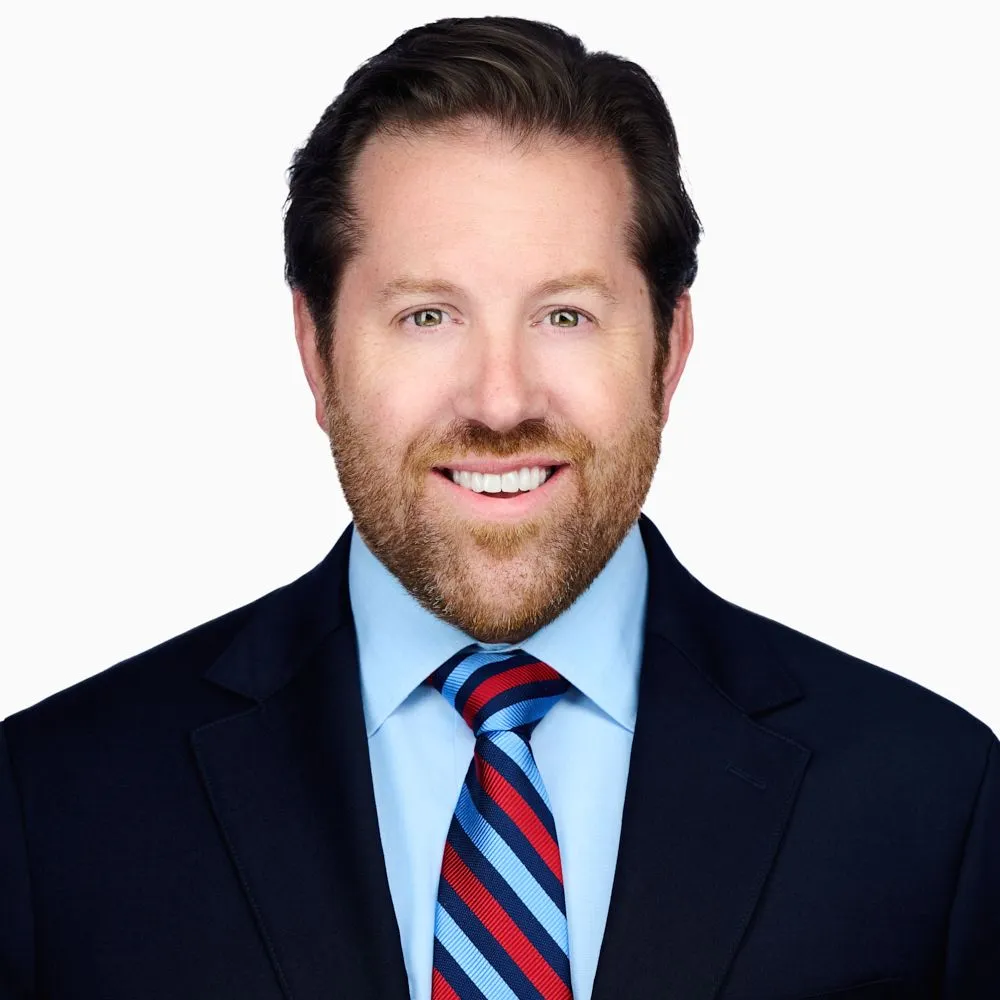
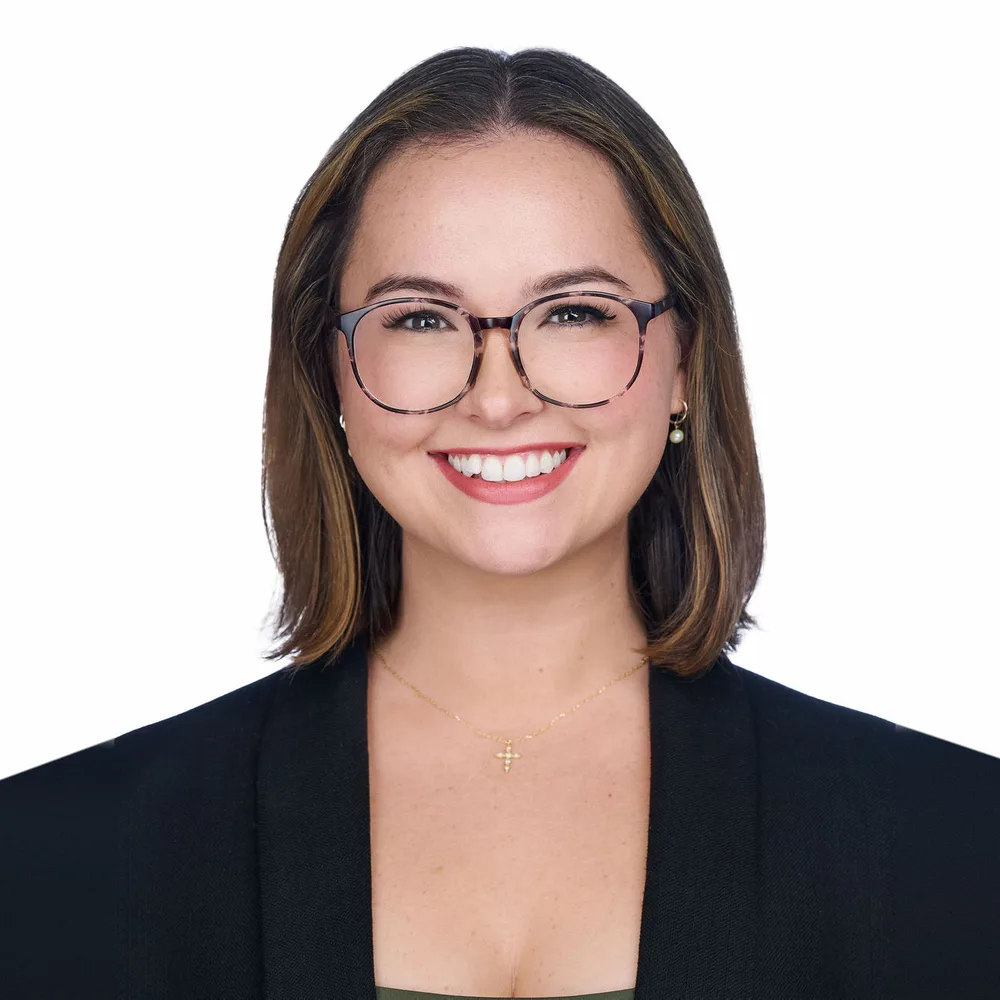
BevLaw Group is the hospitality division of Litson PLLC, the Nashville firm Alex Little and Zack Lawson built. When a matter reaches past licensing, you’re already inside a full-service firm built to handle it.


Learn more about the full firm at litson.co ›
Core values guiding our mission
Our values drive our commitment to excellence, collaboration, and innovation, empowering you to achieve extraordinary outcomes.
Integrity
We uphold the highest ethical standards, ensuring honesty and transparency in every aspect of our work.
Advocacy
We passionately represent our clients’ interests, striving for outcomes that safeguard their businesses and reputations in the firm, courtroom, and capitol.
Diligence
We are committed to meticulous attention to detail, leaving no stone unturned in protecting our clients.
Collaboration
We work hand-in-hand with our clients, tailoring solutions that align with their unique needs and goals.
Ready to protect what you’ve built?
Let’s make sure the legal side of your business is covered, from licensing to everything beyond it.
Schedule your free consultationFrequently Asked Questions
What exactly does your compliance program cover, and what would incur additional legal costs?
Our program includes licensing, regulatory advice, document templates, form bank for documents and first-line defense for regulatory/civil issues. Additional fees apply for custom drafting, litigation, or non-routine matters.
How does your team help our staff stay legally compliant, and how is that tracked?
We train your team on key laws, track TABC certifications, and monitor renewals. We also update policies as laws change and keep records of staff compliance to ensure you’re always covered.
How do we stay compliant as laws and regulations change over time?
We track state and federal changes daily, revise policies quickly, notify you of updates, and retrain staff when needed. Compliance calendars and internal audits help us keep you ahead.
How long does it typically take for licenses to be issued?
License timelines vary by type and location: 30–180 days for state licenses, 15–60 for local. We recommend starting early and we’ll handle renewals automatically to avoid lapsed licenses.
How does your compliance program differ from hiring an attorney as needed?
Rather than paying hourly, you get ongoing support from attorneys through a flat monthly fee. This covers everyday compliance and reduces risk, and when issues arise, we respond fast. You’re never caught off guard or hit with surprise legal costs.
What are the differences between spirit, wine, and beer licenses?
Beer is easiest and cheapest to license, wine is moderate, and spirits are most expensive with stricter rules. We help you navigate the right license type for your business from start to finish.
What’s the difference between state and local licensing requirements?
State licenses allow you to operate; local permits control where and how. You need both. We ensure you’re fully compliant across all layers to avoid delays, denials, or operating illegally.
What are the rules and licensing requirements for private events?
Events may need permits depending on alcohol type, location, and public access. We guide you through state and local requirements for legal service, liability protection, and timely approval.
What happens if we unintentionally violate a liquor law?
You could face fines, suspension, or more. We help you respond quickly, communicate with regulators, and work to resolve the issue. Clients in our program get priority help.
Do you handle one-off license issues?
We do, on a case-by-case basis. Give us a call and we’ll talk through your situation and the best way to handle it.