
Updated November 5, 2026, to cover winter storms in general. The January 2026 ice storm in Nashville is the example throughout.
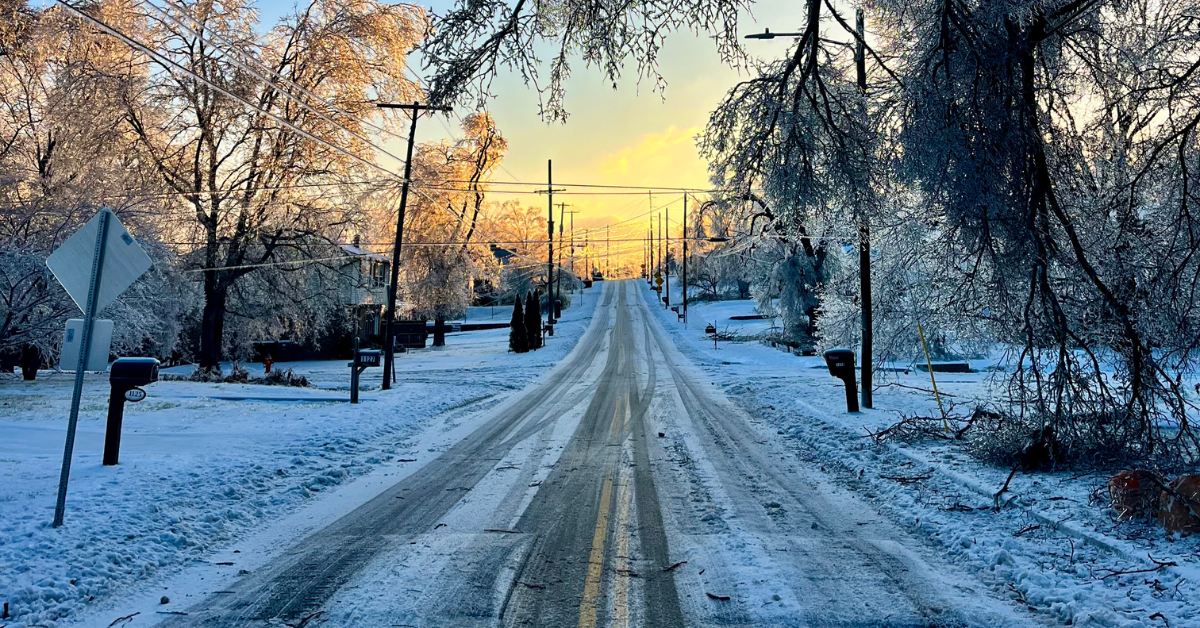
Winter storms hit hospitality businesses fast. During the January 2026 ice storm in Nashville, owners dealt with burst pipes flooding kitchens, walk-in coolers losing power and the inventory inside, and damage that turned reopening dates into question marks.
Every storm is different, but the first days after one tend to follow the same pattern. What you do in those days shapes your insurance claim, your lease, and how quickly your team comes back. Here’s what we tell owners who call us after a storm, plus a few steps to take before the next one.
Before the next storm
A little preparation makes the days after a storm much easier.
- Take photos and video of your kitchen, bar, equipment, and storage on a normal day. A “before” record makes an insurance claim far easier.
- Keep your insurance policy, lease, and license in a place you can reach from your phone.
- Know how to shut off water, and protect pipes that are prone to freezing.
- Have a plan for the walk-in if the power goes out, including who to call and where inventory can go.
- Decide ahead of time how you’ll reach staff if you have to close.
Document everything before you clean up
When the storm passes, you’ll want to get back to normal fast. Before you haul out damaged equipment or throw away spoiled inventory, take time to document what happened.
Walk through the space with your phone and take photos and video of every room and every angle. Get close-ups of damaged equipment and wide shots that show the full scope.
Then make a written list of what was lost or damaged. Include what it was, when you bought it, what it cost, and how much inventory you lost. Insurance adjusters will ask for this, and if a question comes up with your landlord, you’ll want proof. What you don’t capture now is much harder to prove a month later.
Pull out your lease
Your lease matters right away. Most commercial leases include terms that kick in when the property is damaged. Some help you, and some create obligations you may not know about.
Look for these:
- Casualty or damage terms. Who pays for repairs if the building is damaged through no fault of yours? Can you pay less rent while the space can’t be used? Some leases say yes, and some don’t.
- Force majeure. This is the “acts of God” language. It may excuse certain obligations during events outside your control, depending on how it’s written.
- Notice requirements. Many leases require you to tell your landlord about damage within a set number of days. Missing that window can cost you protections, so send written notice if your lease calls for it.
- Insurance terms. Your lease likely spells out what insurance you carry and what your landlord carries. That matters when you file claims.
If you’re not sure what your lease says, have it reviewed before you agree to anything your landlord offers.

File your insurance claim now
Insurance claims have deadlines, and adjusters get busy after a big storm. File as soon as you can. You can open a claim before you know the full extent of the damage and add details later.
A few things to keep in mind:
- Know what you’re covered for. Property damage, spoiled inventory, and lost income during a closure are different types of coverage, and you may not have all of them. Read your policy or call your agent.
- Review any offer before you accept it. A first offer may not cover everything you lost. Make sure it reflects your actual losses before you sign.
- Keep every receipt. Emergency repairs, temporary equipment, and cleanup costs may be reimbursable.
Keep your staff in the loop
If you’re closed, your employees feel it too. They’re missing shifts and pay, and they want to know what’s next.
You don’t need every answer to communicate. A short update, like “here’s what happened, here’s what I know, and here’s when I’ll know more,” goes a long way.
If the closure will be long, think through your options. Can you pay partial wages? Can you help staff pick up shifts elsewhere for now? If the storm leads to a federal major disaster declaration, workers who lost jobs or hours because of it may qualify for Disaster Unemployment Assistance. How you handle this affects whether your best people are still with you when you reopen.
Check in on your licenses
A closure of a few days usually isn’t a licensing concern. If repairs will keep you closed for weeks, call the Tennessee Alcoholic Beverage Commission (TABC) and your local beer board to ask whether they need anything from you. It’s a short call that can head off a question at renewal time.
Be careful what you sign
After a storm, people will put papers in front of you. Contractors bring repair estimates. Landlords may offer lease amendments or temporary agreements. Adjusters bring settlement offers.
Slow down before you sign. If someone is pushing you to sign right away, that’s a reason to take a second look. Having someone review the document first can save you a lot of trouble later.
Where BevLaw Group fits
When a storm hits, the legal questions show up alongside the cleanup. BevLaw Group helps Tennessee hospitality businesses with lease questions, contract reviews, insurance issues, and licensing, all on one flat monthly fee. If you’re dealing with storm damage, or want a plan in place before the next one, we’re glad to talk it through.